


In ‘Spider-Man: Brand New Day,’ great power comes with great loneliness
In ‘Spider-Man: Brand New Day,’ great power comes with great loneliness

Brian Lowry Sat, August 1, 2026 at 10:10 AM UTC
0
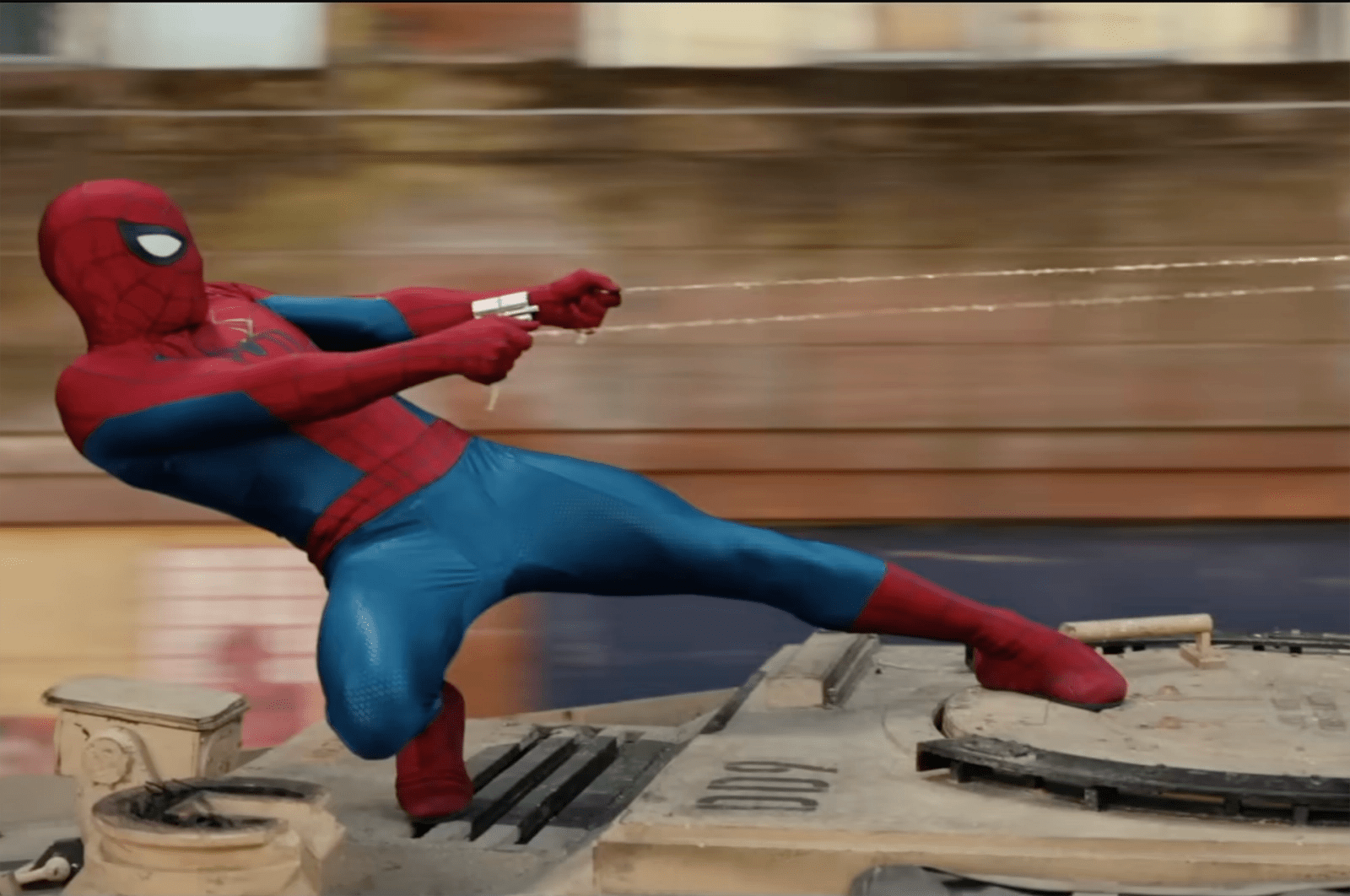
In his comic book origin story, Spider-Man, aka Peter Parker, painfully learns that “with great power comes great responsibility.” The focal point of “Spider-Man: Brand New Day” is a corollary of that truism: True heroism often requires selflessness and sacrifice. Those old-fashioned values resonate all the more forcefully in this era of social media’s showboating and clout-chasing influencers.
Tom Holland’s fourth solo outing as Spider-Man features the requisite action sequences, including the best use of the Hulk on screen that we’ve seen in some time. At the movie’s core, however, we see a hero wrestling with loneliness, having given up relationships with his closest friend and the woman he loves in the previous installment, “Spider-Man: No Way Home.”
At the movie’s core, we see a hero wrestling with loneliness, having given up relationships with his closest friend and the woman he loves.
Those action sequences notwithstanding, “Brand New Day” is a more deeply personal film, and it comes at a particularly fraught time both for the comic book movie and — without sounding too high-handed about it — America. “Brand New Day” appears destined to become a big fat hit — to the anticipated tune of more than $250 million in North America for its opening weekend, and better than twice that worldwide — and to provide Marvel a lift before the larger-scale “Avengers: Doomsday.” For the country, it offers a welcome distraction from a seemingly endless barrage of dreary headlines and general anxiety.
The central theme empowering “Brand New Day” is subtle, but it shouldn’t be overlooked. Thanks to Holland’s sensitive performance as Peter Parker/Spider-Man, a genuine angst permeates the film, reflecting the emotional wounds that New York City’s guardian angel carries.
Stan Lee, who co-created Spider-Man with artist Steve Ditko in 1962, frequently discussed that angst as a fundamental aspect of the character. Indeed, Lee was fond of regaling interviewers with the story of his publisher calling his Spider-Man pitch “the worst idea I have ever heard.” That publisher said teenagers in comic books were strictly sidekicks (think of Batman’s Robin) and that the wall-crawling protagonist “can’t have personal problems if he’s supposed to be a superhero. Don’t you know who a superhero is?”
Tellingly, Lee, Ditko and Jack Kirby — who collaborated with Lee on signature Marvel titles like “Fantastic Four,” “X-Men,” and “Avengers” — all came of age during World War II. Just this week, we heard Senate candidate James Talarico, a Texas Democrat, call for a return to “the values of the Greatest Generation,” describing them as “service, sacrifice, doing what’s right even when no one is watching.”
Those values have long formed the core of Spider-Man, but it’s especially true in “Brand New Day,” which finds the hero remaining quietly anonymous, stoically suffering alone and forgoing the accolades and rewards his powers could easily bring him.
Advertisement
Of course, most people flocking to “Brand New Day” will simply be looking for a good time, the same way the throngs seeing director Christopher Nolan’s “The Odyssey” have mostly been drawn to its wide-screen spectacle, leaving the terminally online to debate its politics and ginned-up controversies.
That publisher said the wall-crawling protagonist “can’t have personal problems if he’s supposed to be a superhero. Don’t you know who a superhero is?”
Lee often noted that Marvel’s commitment to humanizing superheroes and conveying the personal struggles they face beyond overpowering villains defined that comic book universe during its breakthrough years in the 1960s.
Though those comic books were originally dismissed and disrespected by Hollywood, a generation of filmmakers weaned on them gradually gained enough clout to translate them as Lee and his collaborators intended, without campy flourishes and winks at the audience. One of those initial modern translations was “Spider-Man” starring Tobey Maguire in 2002. A revolution in visual effects clearly helped, but a more evolved attitude was actually pivotal in launching Marvel’s theatrical march with “Iron Man” in 2008 — even as the studio grapples with questions of “superhero fatigue” today.
Lee liked to call comics “fairy tales for grownups,” and there’s an element of that in this latest adventure, which portrays a more mature Peter Parker/Spider-Man, swinging into theaters at what feels like a crossroads for movies culturally and commercially.
In that sense, although “Spider-Man” the franchise might be near retirement-age eligibility, by nobly placing the welfare of others ahead of “likes” and fame, Spider-Man the character feels like a hero in the truest sense of the word, and one that we could especially use right now.
The post In ‘Spider-Man: Brand New Day,’ great power comes with great loneliness appeared first on MS NOW.
This article was originally published on ms.now
Source: “AOL Entertainment”
